
Mental Health Assessments
Take a free, confidential self-assessment to better understand your symptoms. All assessments are based on clinically validated scales.
OCD Screening Test (OCI-4)
A brief screening tool to help identify potential OCD symptoms. Based on the Obsessive-Compulsive Inventory (OCI-4), a clinically validated 4-item scale.
Not sure which test fits? This short screening is the one clinicians start with. Specific assessments are below.
Or choose a specific test
OCD Subtypes Test
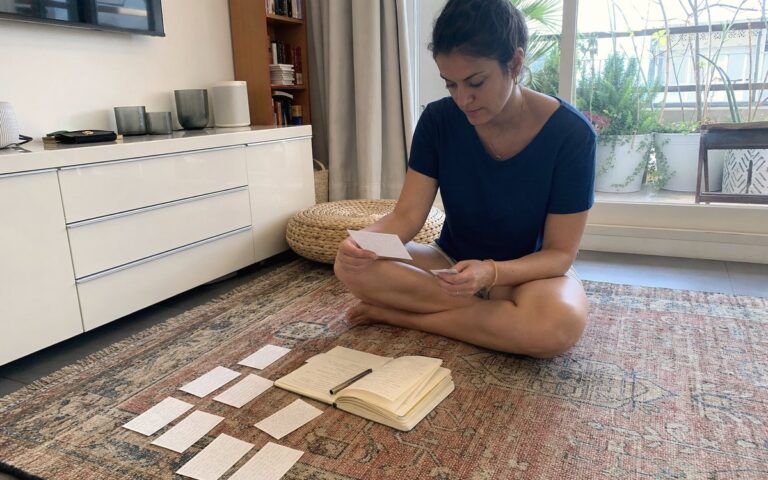
Answer 18 quick questions to see which OCD themes fit your experience, from contamination and checking to harm, relationship doubt, Pure O and scrupulosity. Then go deeper with the matching test.
Take Assessment →
False Memory OCD Test
A private self-assessment for false memory OCD and memory distrust patterns, including repeated mental review, reassurance seeking, and uncertainty about past events.
Take Assessment →
Contamination OCD Test
A private self-assessment for contamination OCD patterns, including fear of germs, washing rituals, avoidance, and repeated checking for contamination.
Take Assessment →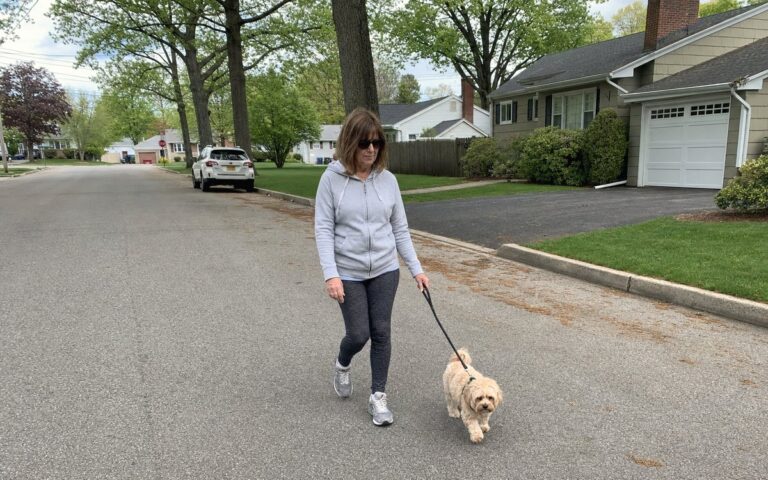
Harm OCD Test
A private self-assessment for harm OCD patterns, including unwanted intrusive thoughts, fear of losing control, reassurance seeking, avoidance, and repeated checking.
Take Assessment →
Checking OCD Test
A private self-assessment for checking OCD patterns, including repeated checking, doubt, reassurance seeking, rereading, reviewing, and difficulty feeling certain.
Take Assessment →
Relationship OCD Test
A private self-assessment for relationship OCD patterns, including repeated doubt, reassurance seeking, checking feelings, comparing, avoidance, and difficulty feeling certain.
Take Assessment →
Somatic OCD Test
A private self-assessment for somatic OCD patterns, including repeated attention to body sensations, breathing, swallowing, blinking, heartbeat, discomfort, and reassurance seeking.
Take Assessment →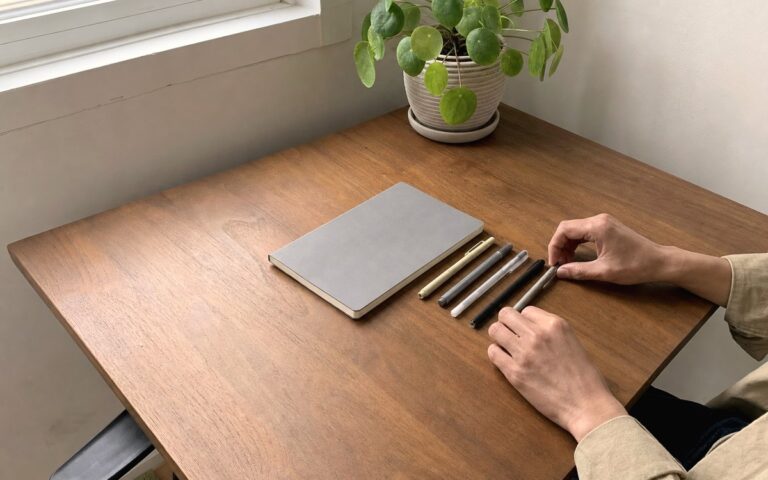
Symmetry OCD Test
A private self-assessment for symmetry OCD patterns, including urges to arrange, align, even up, repeat, or fix things until they feel balanced or exact.
Take Assessment →
Just Right OCD Test
A private self-assessment for just right OCD patterns, including repeating, redoing, checking, adjusting, or restarting until something feels correct or complete.
Take Assessment →
Intrusive Thoughts Test
A private self-assessment for intrusive thought patterns, including unwanted thoughts, distress, mental review, reassurance seeking, avoidance, and difficulty letting thoughts pass.
Take Assessment →
Real Event OCD Test
A private self-assessment for real event OCD patterns, including repeated guilt, reviewing past events, confession urges, reassurance seeking, and difficulty accepting uncertainty.
Take Assessment →
OCD Screening Test (OCI-4)
A brief screening tool to help identify potential OCD symptoms. Based on the Obsessive-Compulsive Inventory (OCI-4), a clinically validated 4-item scale.
Take Assessment →
Y-BOCS Self-Report
Measure OCD severity across obsessions and compulsions using the Yale-Brown Obsessive Compulsive Scale self-report version.
Take Assessment →
Pure O OCD Test
A self-assessment for primarily obsessional OCD (Pure O) — intrusive thoughts without visible compulsions.
Take Assessment →
Skin Picking Disorder Test
A free 10-question dermatillomania (skin picking disorder) screener: urges, time, damage, distress and control, plus two questions that flag an OCD-style pattern.
Take Assessment →
Scrupulosity OCD Test
Assess symptoms of scrupulosity OCD — excessive religious or moral doubt, fear of sin, and perfectionism in moral behavior.
Take Assessment →Myth or fact?
Four quick statements about one OCD belief. Tap what you think, then see what the research says.