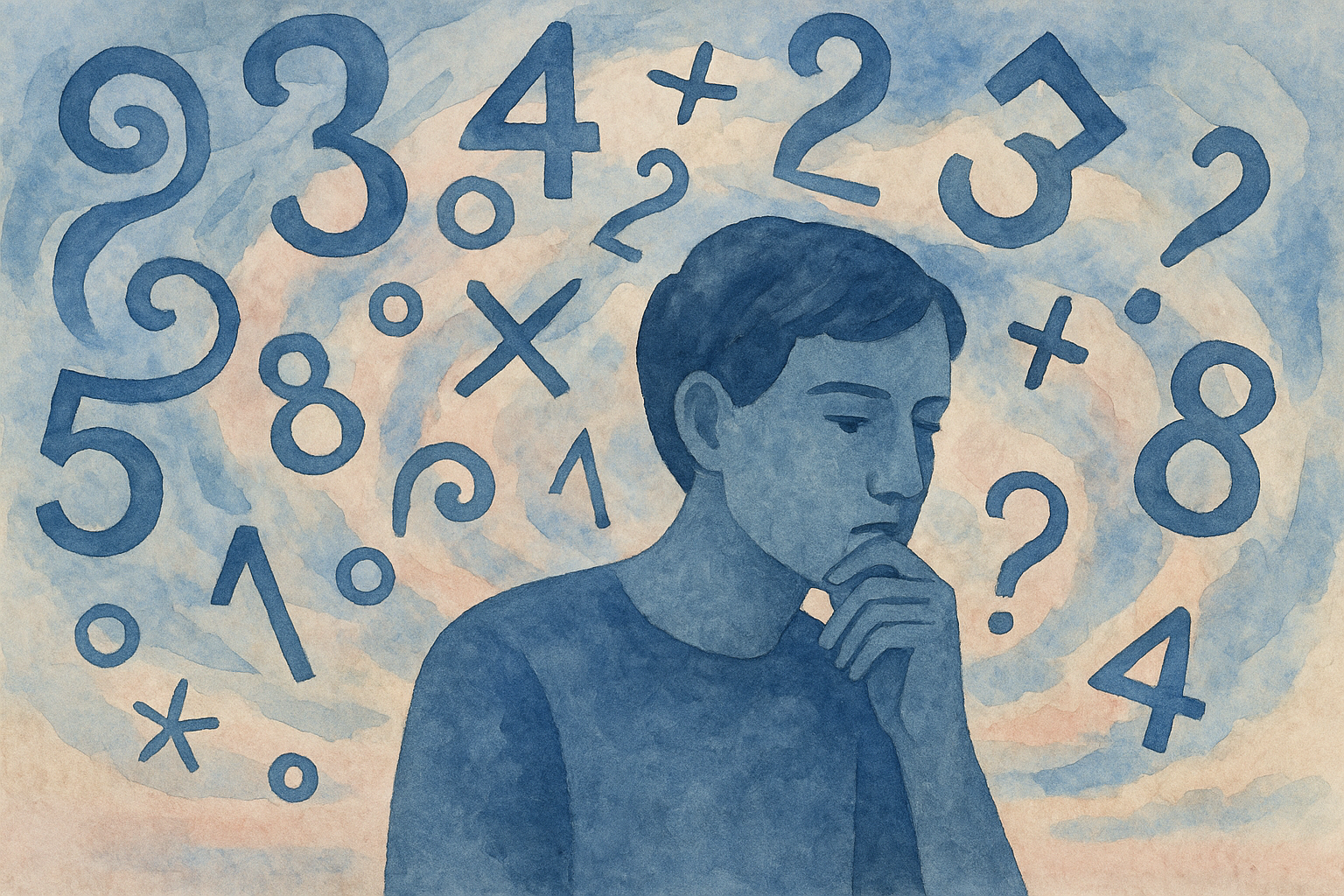
Counting compulsions, number obsessions, and magical thinking often intertwine in a complex web of beliefs and behaviors. This article explores how a cognitive-first approach can help individuals recognize and reshape their thinking patterns, fostering resilience and improving mental wellbeing through the lens of Cognitive Behavioral Therapy (CBT).
Understanding Counting Compulsions and Number Obsessions
Counting compulsions and number obsessions often manifest as overwhelming urges that compel individuals to engage in repetitive counting behaviors, driven by intense anxiety and distress. These compulsions can serve as maladaptive coping mechanisms for individuals experiencing obsessive-compulsive disorder (OCD), providing a fleeting sense of relief when numbers are counted or specific numerical patterns are adhered to. However, the underlying anxiety typically resurfaces, perpetuating the cycle.
Individuals who struggle with counting compulsions may find themselves in everyday situations where numbers become the focal point of their thoughts and actions. For instance, one might feel an overwhelming urge to count the number of tiles on a floor or the number of steps taken in a given day. These tasks can quickly escalate from benign counting to obsessive rituals. An individual may believe that failing to count ceramic tiles, for example, will lead to bad luck or consequences, illustrating how these compulsions are intertwined with irrational beliefs and magical thinking.
The belief system associated with counting compulsions can often create a feedback loop that intensifies anxiety. When encountering an unusual number, like a ’13’ or a ‘666’, individuals may become fixated, worrying about its potential implications or outcomes. Feelings of panic or dread can arise when these numbers appear in contexts such as addresses, dates, or even during conversations. Consequently, the simple act of counting can shift from a mechanical behavior to a deeply ingrained ritual infused with meaning and significance, creating a heightened perception of danger.
One compelling example involves a student who experiences significant anxiety regarding academic performance. To alleviate his fears about failure, he resorts to counting how many times he reviews his homework assignments. Initially, this ritual may bring comfort, but as his anxiety persists, he feels compelled to increase the frequency of his counting rituals. Over time, his academic work is overshadowed by the necessary counting, leading to procrastination and overwhelmed feelings, thus compounding his initial anxiety.
Understanding the cycle of beliefs, thought patterns, and emotions linked to these compulsions is vital in facilitating effective intervention. Cognitive Behavioral Therapy (CBT) can play a significant role in helping individuals recognize the distortions in their thinking that fuel counting compulsions. By challenging these beliefs and gradually exposing individuals to their feared numbers without engaging in counting rituals, therapists can help disrupt the cyclical nature of these compulsions.
Part of this process involves fostering cognitive restructuring, encouraging individuals to develop healthier thinking patterns. By identifying cognitive distortions, such as catastrophic thinking related to specific numbers, individuals can learn to respond to these irrational beliefs with more balanced and rational perspectives. In this way, a clear pathway emerges to mitigate the hold that counting compulsions have over their lives, ultimately leading to improved mental wellbeing and a healthier relationship with numbers. Through understanding and intervention, individuals can reclaim control over their thoughts and actions, paving a path toward anxiety reduction and greater resilience.
Ritualistic Counting and its Connection to Magical Thinking
Ritualistic counting often emerges as a behavioral manifestation intertwined with magical thinking, creating a complex web of beliefs and actions that individuals may find difficult to navigate. Such counting rituals do not merely serve a practical purpose; they become imbued with emotional significance, particularly when individuals associate specific numbers with notions of luck or misfortune. This phenomenon can reinforce compulsive behaviors and lead to heightened anxiety, as the individual feels compelled to engage in these rituals to avert catastrophe.
For instance, consider Sarah, a young woman who believes that the number seven is inherently lucky. When she wakes up each morning, she engages in ritualistic counting, ensuring that she brushes her teeth seven times before leaving the house. In her mind, failing to adhere to her self-imposed numerical guidelines might result in an unlucky day, spiraling into missed opportunities or even more severe outcomes. This cycle is exacerbated by her increasing reliance on the number seven to navigate her daily life.
Similarly, Mark, a middle-aged man, harbors a belief that the number thirteen is cursed. It’s not uncommon for him to avoid certain activities, like traveling or making important decisions, on the thirteenth of any month. His apprehension influences his planning, leading to missed gatherings and lost chances, ultimately reinforcing his belief in the number’s negative power. Both Sarah and Mark exemplify how these beliefs cultivate an ongoing pattern of anxiety and compulsive behavior, as they repeatedly engage in counting rituals to mitigate the fear associated with their respective superstitions.
Such patterns can lead to a vicious cycle where reinforcing these beliefs through ritualistic behaviors only solidifies their grip on the individual’s thought processes and actions. As anxiety increases, the urge to count and adhere to these superstitions becomes stronger, leading to even more entrenched beliefs. This internal conflict can manifest as both emotional distress and functional impairment, impacting relationships, work performance, and overall mental health.
Cognitive restructuring plays an essential role in breaking these cycles. By challenging the underlying beliefs associated with specific numbers, therapists can help individuals like Sarah and Mark recognize the irrationality of their magical thinking. Through exercises designed to question the validity of their fears—such as examining evidence for why their lucky or unlucky numbers hold power over them—individuals can begin to dismantle their compulsive behaviors.
In engaging with cognitive restructuring, it’s crucial to incorporate exposure to feared situations without the protective rituals. For instance, Sarah could be encouraged to confront her fear by skipping her ritual and observing her day without adhering to the number seven. Over time, she may realize that her day does not necessarily correlate with her counting habits, helping sever the connection between her anxiety and those numbers.
In the journey towards mental well-being, understanding the interplay between ritualistic counting and magical thinking is fundamental. By addressing these relationships through cognitive restructuring, individuals can foster healthier responses to obsessive thoughts, ultimately alleviating anxiety and leading more fulfilling lives.
Building Resilience through Cognitive-Behavioral Therapy
Building resilience against counting compulsions and number obsessions is crucial in fostering mental well-being. Cognitive Behavioral Therapy (CBT) serves as a powerful framework for addressing these challenges effectively. By employing techniques such as cognitive restructuring, exposure therapy, and mindfulness, individuals can learn to manage their compulsive behaviors and superstitious thinking more adeptly.
Cognitive restructuring is a primary CBT technique that helps individuals identify, challenge, and change irrational beliefs regarding numbers and counting. For example, someone might believe that if they don’t perform a certain counting ritual, something bad will happen. This cognitive distortion can be dismantled through a systematic process of questioning the validity of these beliefs. One might ask themselves, “What evidence do I have that not counting will lead to negative consequences?” This method encourages individuals to scrutinize their thought patterns critically, replacing unfounded beliefs with more balanced, factual perspectives. Keeping a thought diary can be beneficial in this process, allowing individuals to track their automatic thoughts, analyze their origins, and gradually cultivate healthier cognitive habits.
Exposure therapy is another vital aspect of CBT that can gently introduce individuals to their fears associated with counting and number obsessions. Gradual exposure to situations where one might feel compelled to count can empower individuals to confront their anxieties. For instance, if a person has a compulsion to count every step they take, they might begin by deliberately skipping a step while walking. Initially, this could provoke significant anxiety. However, by repeatedly practicing this exposure in a controlled manner, individuals can desensitize themselves, learning to tolerate discomfort without relying on their counting rituals. Over time, this practice leads to a reduction in anxiety and an increase in one’s sense of agency.
Mindfulness techniques complement these approaches by fostering present-moment awareness and reducing the tendency to ruminate over numbers or compulsions. Mindfulness encourages individuals to observe their thoughts and feelings non-judgmentally. Practicing mindfulness meditation or engaging in mindfulness exercises—such as focusing on breath or the sensations of the body—can help in diminishing the grip of magical thinking associated with counting. By recognizing thoughts as transient mental events rather than factual truths, individuals can create distance between themselves and their compulsions.
To implement these strategies practically, individuals might start by setting specific, achievable goals. For instance, they could challenge themselves to reduce the time spent on counting by gradually decreasing the number of times they engage in a particular ritual. Journaling about their progress and feelings related to this reduction can provide valuable insights into their thought patterns and emotional responses. Additionally, joining support groups where experiences related to compulsive counting and magical thinking are shared may foster a sense of community and encouragement, reinforcing the journey of change.
Through the structured application of CBT techniques, individuals can build resilience against counting compulsions and number obsessions. By challenging rigid beliefs, confronting fears through exposure, and cultivating mindfulness, individuals can promote flexible thinking and significantly enhance their mental well-being. With consistent practice, these strategies can empower individuals to reclaim their lives from the constraints of superstitious thinking and ritualistic behaviors.
Conclusions
In summary, understanding and addressing counting compulsions and magical thinking through CBT allows individuals to break free from maladaptive beliefs. By fostering flexible thinking, we can reduce anxiety and enhance overall mental health, empowering individuals to reclaim control over their thoughts and actions.