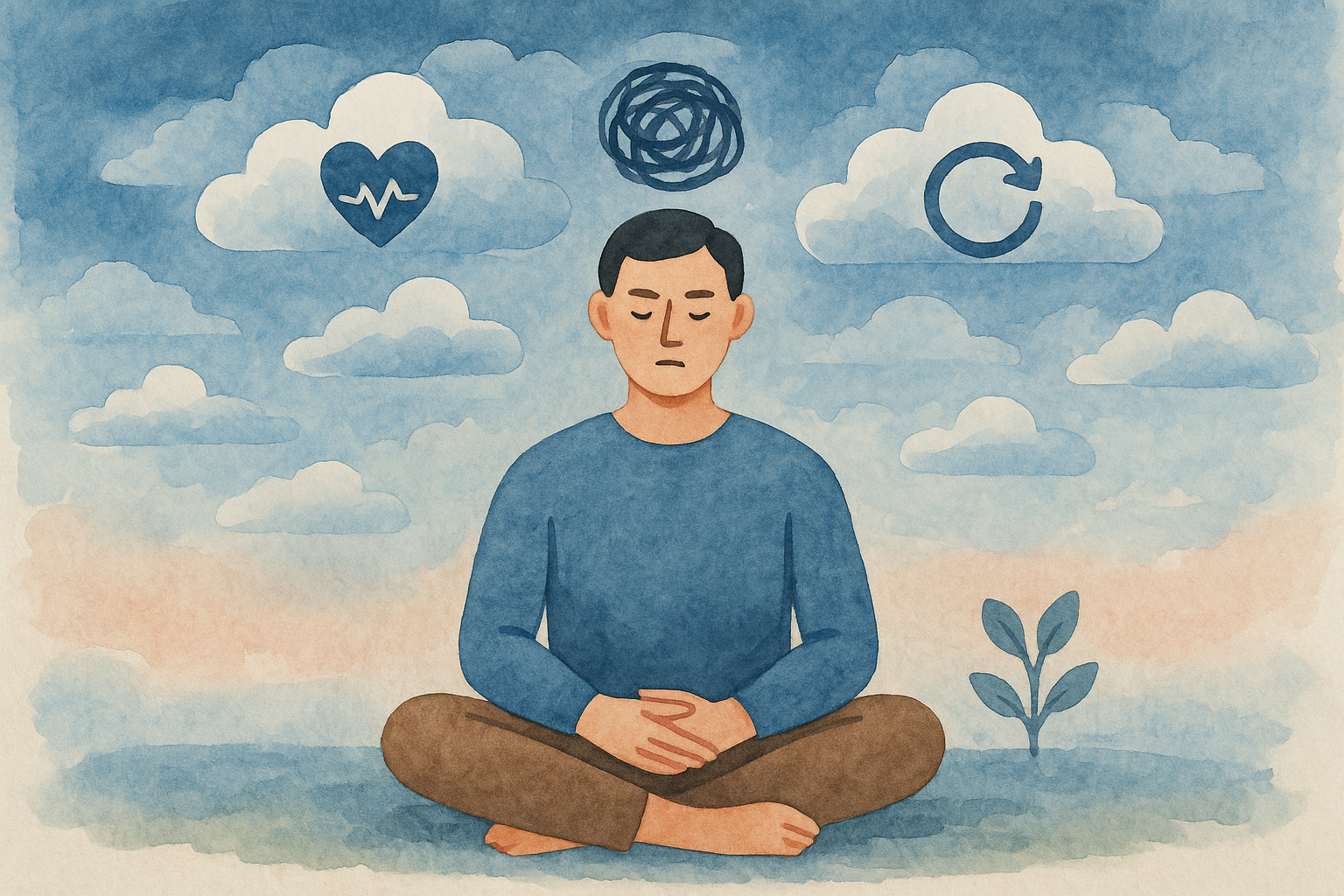
Anxiety and obsessive-compulsive disorder (OCD) can create overwhelming challenges, notably manifesting as panic attacks and heart racing. This article explores a cognitive-behavioral therapy (CBT) approach, emphasizing the importance of understanding and reshaping limiting beliefs to enhance mental wellbeing and resilience.
Understanding Anxiety and OCD
Understanding Anxiety and OCD involves delving into the complex interplay between intrusive thoughts and the compulsive behaviors that frequently arise from them. Anxiety disorders, including Obsessive-Compulsive Disorder (OCD), often manifest through a unique cycle that disrupts daily functioning and diminishes quality of life. Understanding the nuances of these experiences is essential for effective management and recovery.
Anxiety can be framed as an overwhelming sense of dread or fear that is often out of proportion to the actual threat. For individuals with OCD, this anxiety often presents as intrusive thoughts, or obsessions, that create significant distress. For instance, a person may have a recurrent fear of contamination. This fear triggers the anxiety response, leading to overwhelming sensations such as racing heartbeats, clammy palms, and a sense of impending doom. To alleviate this anxiety, individuals often resort to compulsive behaviors, such as excessive hand-washing or avoiding public spaces that might expose them to germs.
One poignant example involves a young woman named Sarah, who has struggled with OCD since childhood. Sarah frequently experiences intrusive thoughts about harming her loved ones. These thoughts spiraled into severe anxiety attacks, manifesting as intense heart racing and hyperventilation. In her efforts to combat the anxiety, Sarah engages in compulsive rituals like repeatedly checking that knives are safely stored away or reassuring herself of her non-aggressive nature to her loved ones. However, these compulsions only provide temporary relief, failing to address the root cause of her anxiety, leading to a self-perpetuating cycle.
Physiological responses during an anxiety episode can be alarming and often mimic physical illness. Heart racing is one of the most common symptoms experienced during panic attacks. The body responds to perceived threats through a “fight or flight” mechanism, releasing adrenaline that accelerates heart rate and heightens awareness. Although this is a survival response, for someone with OCD, it can feel debilitating and overwhelming, further fueling their compulsive behaviors.
Another layer to this experience is the societal misconceptions surrounding anxiety and OCD. Many people mistakenly perceive these disorders as exaggerations or mere quirks. This misunderstanding leads to feelings of isolation, shame, and further anxiety for those suffering. For example, if Sarah were to confide in someone about her intrusive thoughts, she might be met with dismissive statements like, “Just stop thinking about it,” which would only intensify her anxiety. Such responses exacerbate the stigma surrounding mental health, making affected individuals reluctant to seek help.
The impact of these disorders on daily functioning cannot be overstated. Individuals like Sarah may find it challenging to complete simple tasks or engage in social interactions. Friends may notice her avoidance of social gatherings or a heightened need for re-assurance. These behavioral changes can lead to a sense of isolation, as the affected person feels they live in a world governed by fears and compulsions that seem incomprehensible to others.
Real-life experiences illustrate that anxiety and OCD are often comorbid, meaning individuals can experience symptoms of both simultaneously. This dual experience creates a more layered psychological struggle. For these individuals, it’s essential to understand that their experiences with heart racing and panic are not merely psychological; they represent genuine neurological and physiological reactions to stress that deserve empathetic acknowledgment and evidence-based treatment.
Successfully navigating anxiety and OCD requires a comprehensive understanding of these interactions. Cognitive Behavioral Therapy (CBT) has proven effective in addressing the cognitive distortions and compulsions that arise from this cycle. By recognizing the impact of intrusive thoughts and the resulting compulsive behaviors and physiological responses, individuals can learn to manage their anxiety in adaptive ways, breaking the cycle that often feels unyielding. In this context, empathy plays a crucial role, emphasizing the importance of supportive communication and therapeutic strategies in fostering recovery.
The Cycle of Panic Attacks and Their Triggers
Panic attacks often arise unexpectedly and can significantly impact individuals’ lives, particularly those living with anxiety disorders and OCD. Understanding the cycle of panic attacks and their triggers is essential in managing these experiences effectively. For individuals with OCD, the presence of intrusive thoughts can serve as a catalyst for panic attacks. These obsessive thoughts, coupled with the compulsive behaviors aimed at neutralizing them, create a heightened state of arousal that can culminate in a panic attack.
Common misconceptions about panic attacks and their symptoms can exacerbate anxiety levels. For instance, many people believe that a panic attack is merely a function of weakness or a lack of willpower, leading individuals to feel ashamed or embarrassed about their experiences. This stigmatization can exacerbate feelings of isolation, increasing the likelihood of further panic attacks. Moreover, when no clear understanding of the physiological symptoms of panic exists, individuals may misinterpret their heart racing or shortness of breath as signs of a severe medical issue, further intensifying panic. This miscommunication between perception and physiological experience creates a compounding cycle of anxiety.
Situational triggers for panic attacks can vary widely and may include both external and internal stimuli. External triggers might include stressful life events, such as job loss, relationship issues, or even crowded spaces. For example, someone with OCD may experience a panic attack when they find themselves in a situation where they are unable to perform their compulsive rituals, such as checking doors or washing hands. The pressure of living with intrusive thoughts can provoke a surge of panic in these situations, reinforcing the belief that they are losing control.
Internal triggers often stem from the cognitive processes that accompany anxiety and OCD. An unexpected thought, such as the fear of harm befalling a loved one, can provoke a physiological response. When left unchecked, these thoughts snowball, creating a cycle of anxiety that may trigger a panic attack. For instance, an individual may imagine that if they do not perform a specific compulsion, disastrous consequences will ensue. The ensuing rapid heart rate or difficulty breathing may then be misinterpreted as a heart attack or a sign of impending doom. This misinterpretation can escalate feelings of panic, trapping individuals in a cycle of fear and anxiety.
Understanding the psychological underpinnings of panic responses is pivotal for individuals grappling with the disorder. Various cognitive distortions play a critical role in how panic attacks manifest. For example, individuals might engage in catastrophic thinking, where they anticipate the worst possible outcomes rather than recognizing the more likely, manageable responses. In doing so, they amplify the physiological symptoms they experience. A heart racing due to anxiety may lead to the belief that they are experiencing a heart attack, which can incite further panic and distress.
Additionally, the idea of losing control stands at the core of many panic experiences. Individuals may fear that they will lose control in a social setting or during a moment of perceived vulnerability, prompting a cycle of avoidance that ultimately reinforces their avoidance behaviors. For instance, someone may avoid public transportation out of fear of experiencing a panic attack in a confined space, which can quickly lead to agoraphobia.
Recognizing these triggers and the underlying cognitive processes is crucial in breaking the cycle of panic attacks. By examining the interplay between anxiety, OCD, and panic attacks, individuals can gradually become more attuned to their triggers and develop strategies to manage their responses. This awareness is a vital precursor to implementing effective behavioral strategies, such as those offered through cognitive-behavioral therapy, which can enable individuals to confront their fears and beliefs, reshaping their approach to anxiety and panic.
Cognitive-Behavioral Therapy as a Transformative Tool
Cognitive-Behavioral Therapy (CBT) stands as one of the most evidence-based approaches for addressing anxiety disorders and Obsessive-Compulsive Disorder (OCD). Understanding the intricate relationship between thoughts, emotions, and behaviors is central to this therapeutic framework. Individuals experiencing anxiety and OCD often grapple with persistent concerns and compulsions, which can lead to a distorted perception of reality. CBT aims to break this cycle by identifying and restructuring maladaptive beliefs that fuel these anxious thoughts.
At the core of CBT lies the principle that our thoughts significantly shape our emotions and behaviors. For instance, a person with OCD might have thoughts that lead to excessive doubts—such as a fear of contamination—resulting in compulsive cleaning behaviors. In such cases, CBT focuses on exposing individuals to their fears while helping them learn to manage their anxiety through structured interventions. Through cognitive restructuring techniques, clients learn to identify cognitive distortions, such as all-or-nothing thinking or catastrophic predictions, and replace these thoughts with more balanced, realistic perspectives.
One of the primary objectives in CBT for anxiety and OCD is to foster emotional regulation. When individuals learn to notice their thoughts without automatically believing them, they can reduce their susceptibility to the panic response that often accompanies heart racing and feelings of impending doom. By practicing mindfulness techniques alongside cognitive restructuring, clients gain insight into their emotional triggers. This can lead to enhanced coping skills and an ability to endure discomfort without resorting to compulsive behaviors or avoidance strategies.
Consider the case of Sarah, a 28-year-old graphic designer who struggled with OCD characterized by fears of harming others. Every time Sarah left her house, her mind raced with images of accidents happening if she did not engage in her extensive rituals, such as checking locks repeatedly. Through a structured CBT program, she was encouraged to confront these scenarios in a gradual way. With the help of her therapist, Sarah systematically faced her fears while identifying the underlying irrational beliefs, such as “If I don’t check the door ten times, someone will get hurt.” Over time, she learned to replace these maladaptive beliefs with rational, comforting statements, such as “I can trust that my door is locked even if I don’t check it excessively.” As a result, her panic attacks significantly diminished, and she developed healthier routines.
Another compelling illustration involves Mark, a 35-year-old accountant who experienced panic attacks while in crowded spaces. His heart would race, leading him to believe he was having a heart attack, which in turn heightened his sense of dread and avoidance of such environments. The CBT approach emphasized psychoeducation about panic attacks, helping him understand the physiological processes involved—like adrenaline surges and heightened heart rates—paired with cognitive tasks to challenge his catastrophic thinking. With practice, Mark learned to reframing his interpretations of increased heart rate as merely a bodily reaction, rather than a life-threatening event. Through exposure therapy and cognitive restructuring, he gradually felt more at ease in crowded situations, significantly decreasing his panic symptoms.
These case studies illustrate the transformative power of CBT in fostering flexible thinking patterns. By teaching individuals to challenge and modify their beliefs about anxiety and OCD, CBT encourages a healthier relationship with their thoughts. This not only reduces the intensity of panic attacks and heart racing but also promotes a sense of empowerment and resilience in the face of anxiety.
As individuals navigate the discordance of anxiety and OCD, CBT emerges as a beacon of hope, providing them with the tools to reshape their narrative. While the symptoms of anxiety and OCD can feel overwhelming, the cognitive distortions driving these experiences can be untangled with focused effort and support. By harnessing the principles of CBT, individuals are better equipped to confront their fears, manage overwhelming sensations, and ultimately cultivate a more balanced emotional landscape.
Building Resilience Through Understanding
Anxiety and Obsessive-Compulsive Disorder (OCD) often coexist, creating a formidable challenge for those who experience them. Understanding the intricacies of this dynamic is essential for fostering resilience. Rooted in persistent fears and intrusive thoughts, anxiety manifests through physical sensations like racing hearts and panic attacks, leading individuals into cycles of avoidance and distress.
Building resilience starts with acknowledging the interplay between anxiety, OCD, and panic attacks. For instance, a typical scenario might involve someone who experiences an intrusive thought — for instance, a fear of being contaminated by germs. This thought triggers anxiety, causing the person to wash their hands excessively. During the washing process, they may notice a racing heart and feel a surge of adrenaline, often misinterpreting these sensations as signs of danger. This misinterpretation can culminate in panic attacks, further entrenching their compulsive behaviors.
Empathy plays a critical role in managing this process. When individuals begin to empathize with their feelings of anxiety and shame associated with their compulsions, they create space for self-compassion. Instead of berating themselves for feeling anxious or succumbing to compulsive behaviors, they can frame their experiences as part of a broader human condition. For example, someone might say to themselves, “It’s okay to feel anxious; many people experience this, and I’m trying my best.” Being gentle with oneself can diminish the shame often linked to these experiences, promoting emotional healing and resilience.
Self-compassion, highlighted in psychotherapy approaches, emphasizes treating oneself with the kindness one would offer a friend. Let’s say your friend is battling OCD and is afraid of losing control. Instead of judging their fears, you’d likely listen, validate their feelings, and provide reassurance. Applying this same level of care to oneself can be transformative. When faced with a panic attack, one could gently remind themselves, “Panic is just a feeling, and it will pass. I am safe.” This inner dialogue can help ground individuals, allowing them to observe their feelings without becoming engulfed by them.
To build resilience in the face of anxiety and OCD, consider adopting a few actionable strategies.
– **Identify Triggers**: Keep a journal to identify moments that trigger anxiety and OCD. This awareness helps to anticipate challenges and prepare responses.
– **Practice Mindfulness**: Engaging in mindfulness exercises can help create a buffer against intrusive thoughts and racing hearts. Simple techniques like focusing on your breath or practicing body scans aim to bring awareness to the present moment, reducing anxiety.
– **Gradual Exposure**: Facing fears incrementally can build resilience over time. For example, if someone fears germs, they might start by resisting the urge to wash their hands after touching a doorknob, gradually increasing their exposure.
– **Self-Reflective Dialogue**: Utilize compassionate self-talk. When panic strikes, ask yourself, “What do I need right now?” Such questions can guide a more nurturing response during high-stress moments.
– **Connect with Others**: Cultivating relationships with those who understand these experiences can enhance feelings of belonging and provide support. Sharing stories fosters connection and normalizes feelings that often seem isolating.
While navigating the complexities of anxiety and OCD can be daunting, the journey towards resilience is characterized by understanding oneself with empathy. Engaging in compassionate practices not only mitigates the intensity of anxiety and OCD symptoms but also instills a sense of peace and resourcefulness. Enhancing mental wellbeing and emotional strength is not solely about fighting the anxiety and OCD but embracing oneself throughout the journey. Recognizing that feelings of fear and panic are part of being human allows individuals to reclaim their narrative, building a resilient framework to support themselves through life’s uncertainties.
Conclusions
In conclusion, adopting a CBT approach to anxiety, OCD, and panic attacks can significantly improve mental health. By mapping beliefs and fostering adaptive thinking patterns, individuals can achieve greater emotional resilience and symptom relief. Understanding the interplay between beliefs, thoughts, and feelings is crucial for lasting change.