
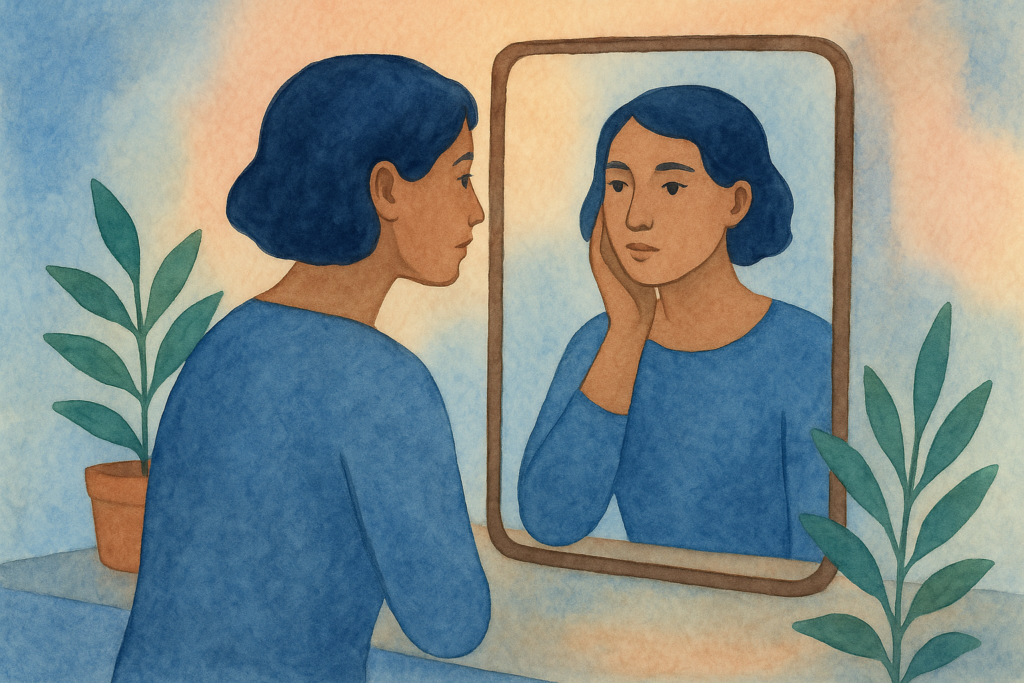
Body dysmorphia, characterized by obsessive thoughts about perceived flaws in appearance, heavily influences mental health. This article explores how cognitive behavioral therapy (CBT) can reshape rigid beliefs around body image, promoting flexibility in thinking and ultimately enhancing emotional well-being. We dive into real-life examples illustrating the journey from distress to resilience.
The Nature of Body Dysmorphia
Body dysmorphic disorder (BDD) is a mental health condition characterized by an obsessive preoccupation with perceived flaws or defects in one’s physical appearance, which are often unnoticeable to others. The condition can lead to significant emotional distress and impairment in daily functioning. Individuals with BDD may obsess over different aspects of their appearance, such as skin imperfections, hair, body shape, or facial features, leading to a distorted body image. Symptoms often include anxiety, depression, and various compulsive behaviors aimed at reducing the anxiety associated with their perceived flaws.
The prevalence of BDD is estimated to affect approximately 1-2% of the general population, with higher rates observed among individuals seeking cosmetic procedures. It typically emerges during adolescence or early adulthood but can develop at any point. The societal emphasis on appearance and beauty ideals exacerbates the psychological turmoil faced by individuals with BDD, making their obsession feel more tangible and pressing.
Those suffering from BDD often engage in compulsive behaviors, including excessive mirror checking, grooming rituals, or seeking reassurance from others. Mirror checking is a common behavior where individuals scrutinize their appearance frequently, searching for flaws to validate their worries. This ritual may provide temporary relief but ultimately reinforces the cycle of obsession and compulsion, deepening the individual’s distress over their body image.
Grooming compulsions—such as excessive skin care, hairstyle changes, or clothing adjustments—often accompany these obsessions. For some, these behaviors can consume hours of their day and detract from their normal life activities, impacting relationships, work, and overall quality of life.
Consider the case of “Anna,” a 25-year-old woman who developed BDD around her early teenage years. Anna became fixated on what she perceived as a significant flaw in her nose. She frequently checked her reflection in any reflective surface, obsessively adjusting her makeup in an attempt to “mask” her perceived imperfection. Despite reassurances from friends and family that she looked perfectly fine, Anna found it challenging to accept their perspectives, often dismissing compliments. The emotional turmoil she experienced included severe anxiety and feelings of worthlessness, leading her to withdraw from social situations as a means to avoid judgment.
Another example is “Tom,” a 30-year-old man who started fixating on thinning hair. His thoughts spiraled into a sense of despair, causing him to spend hours in front of mirrors while constantly adjusting his hairstyle. As he became more preoccupied, he sought reassurance, often asking friends if they noticed his hair loss. Tom’s compulsions eventually led to social isolation, where he preferred staying home rather than facing potential scrutiny.
BDD sits within the broader spectrum of obsessive-compulsive disorders (OCD) due to its hallmark traits of intrusive thoughts and associated compulsions. Like other forms of OCD, BDD is driven by maladaptive beliefs, leading individuals to engage in behaviors aimed at alleviating the anxiety stemming from their obsessive thoughts. Understanding this connection is critical for providing effective treatment and support for those affected by body dysmorphia.
Understanding Cognitive Behavioral Therapy for Body Image Issues
Cognitive Behavioral Therapy (CBT) serves as a cornerstone in addressing the complexity of body image issues, including Body Dysmorphic Disorder (BDD) and related compulsive behaviors. At its core, CBT is built upon the premise that our thoughts, feelings, and behaviors are interconnected. For individuals grappling with body image OCD, this relationship manifests in harmful ways, giving rise to rigid beliefs and distorted thinking about their appearance.
Central to understanding how CBT assists in treating body image issues is recognizing how maladaptive beliefs about one’s appearance can lead to chronic preoccupations and compulsive rituals. Individuals with body image OCD often develop a distorted perception of their bodies, leading to relentless concerns about perceived flaws. These beliefs can be exaggerated and inflexible, creating a cycle of negative thinking that exacerbates their symptoms.
For instance, an individual may believe that having a slight imperfection will lead to rejection or criticism from others. This belief intensifies as they engage in compulsive behaviors—such as excessive mirror checking or grooming rituals—in an attempt to manage their anxiety. This reliance on compulsions can foster a temporary sense of relief but ultimately reinforces their distorted beliefs, trapping them in a continuous loop.
CBT techniques like cognitive restructuring and exposure therapy are essential in helping individuals confront and modify these unhelpful thought patterns. Cognitive restructuring involves identifying negative thoughts associated with body image, challenging their accuracy, and replacing them with more balanced perspectives. For example, instead of thinking, “If my skin isn’t perfect, nobody will love me,” a therapist might guide the individual to reframe that thought to something like, “People value me for much more than my appearance.”
Exposure therapy complements cognitive restructuring by encouraging gradual confrontation of feared situations linked to appearance. An individual might be asked to avoid mirror checking for a specific period or to embrace appearing in public without extensive grooming. By facing these situations, individuals can learn that their beliefs about their body are often unfounded and that they can experience life fully despite their perceived flaws.
These techniques not only mitigate compulsive behaviors associated with body image OCD but also foster a shift in mindset. By mapping and reframing beliefs, individuals begin to cultivate a more realistic, compassionate perspective of themselves. This transformation is crucial, as it allows individuals to break free from the rigid thinking that once dominated their lives.
Through diligent application of CBT methods, individuals can learn to develop healthier beliefs around their body image. Over time, they may find that their worth is not defined by their appearance, but by their qualities, relationships, and contributions to the world around them. As clients navigate this therapeutic journey, they become empowered to reclaim their lives from the grips of body image OCD, emerging with insights and resilience that pave the way for a positive self-view.
Building Resilience Through Flexible Thinking
Building resilience is a critical component in the journey of individuals grappling with body image issues, particularly those influenced by body dysmorphia and obsessive-compulsive behaviors. In the context of CBT, fostering resilience means developing a mindset that allows for flexibility in thinking, moving away from rigid, negative patterns towards more adaptive beliefs about oneself and one’s body.
The negative thoughts surrounding appearance often stem from ingrained beliefs established in childhood or through societal messages. When individuals perceive their bodies through a distorted lens, they may engage in behaviors such as excessive mirror checking, grooming compulsions, or comparison with others. These behaviors reinforce the idea that their worth is tangled with their appearance, contributing to a cycle of anxiety and dissatisfaction. Developing resilience involves recognizing these harmful thought patterns and understanding that they do not define one’s self-worth.
To challenge these negative beliefs, it is essential to begin with practical steps that encourage self-reflection and cognitive restructuring. Individuals can start by identifying specific thoughts that trigger feelings of inadequacy or anxiety in relation to their appearance. Keeping a thought diary can be effective; noting down the situation, emotions felt, the negative thought process, and a more balanced perspective can facilitate awareness of thought patterns.
Another essential technique is the practice of gratitude for one’s body. Striving to acknowledge what the body is capable of, rather than focusing solely on perceived flaws, encourages a shift in mindset. This might include maintaining physical health, engaging in enjoyable activities, or appreciating comfort and functionality. Engaging with thoughts of gratitude can provide a more compassionate self-view and lessen the preoccupation with perceived imperfections.
Involvement in activities that promote self-care and self-acceptance can also bolster resilience. Techniques such as mindfulness and self-compassion exercises, which are often integrated into CBT, help individuals cultivate a kinder inner dialogue. They enable individuals to practice being present, reducing the tendency to engage in compulsive mirror checking or grooming behaviors, as the focus shifts from self-critical thoughts to a more neutral and accepting view of oneself.
Real-life success stories powerfully illustrate the effectiveness of these strategies. For instance, one individual, after participating in a structured CBT program, shifted from believing that their worth was solely contingent upon their appearance to embracing their unique traits as part of their identity. Through diligent practice of cognitive restructuring and gratitude, they decreased their mirror-checking behaviors significantly and reported a newfound freedom in social situations, ultimately leading to greater happiness.
Another case involved a person who focused excessively on grooming rituals. After employing CBT techniques, they gradually reduced their grooming behaviors and developed an appreciation for their natural appearance. This shift not only enhanced their self-esteem but also fostered more meaningful relationships, rooted in authenticity rather than superficiality.
These narratives illuminate the transformative potential of CBT, highlighting how individuals can learn to confront their beliefs about appearance and forge a path towards resilience, leading to improved mental well-being and self-acceptance. By cultivating flexibility in thinking, individuals equipped with tools learned through CBT can navigate their body image struggles with compassion and strength.
Conclusions
In addressing body dysmorphia through a cognitive-behavioral lens, we recognize the powerful link between beliefs, thoughts, and feelings. By understanding and reshaping these beliefs, individuals can cultivate a healthier relationship with their body and enhance overall well-being. Embracing flexible thinking paves the way for resilience and recovery.